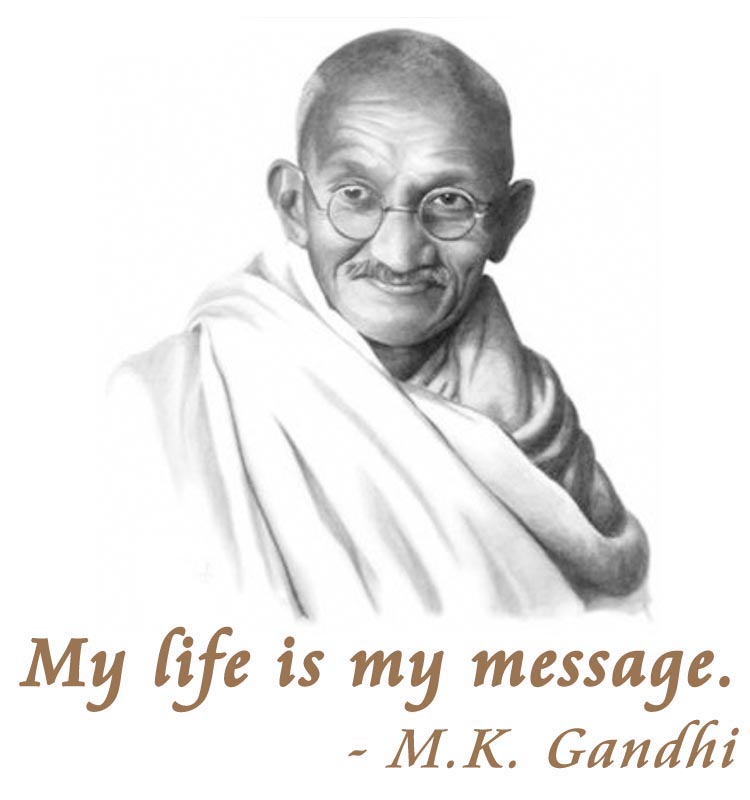
Gandhi National Memorial Society (GNMS)

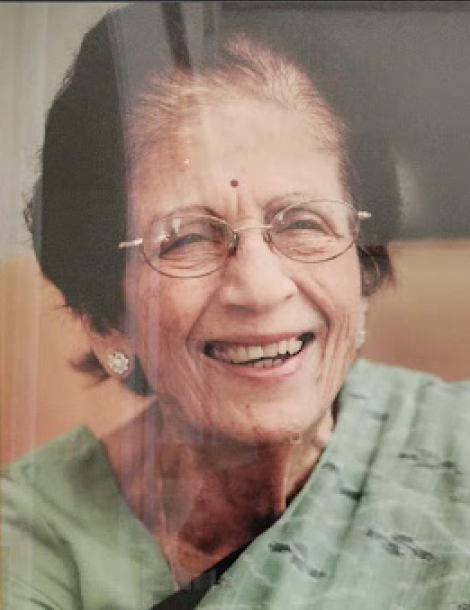
Member
Smt. Shobhana Sitaram Ranade
Smt. Shobhana Sitaram Ranade, alias Shobhanatai’s work, is dedicated to the assistance of destitute women and children to make them self-sufficient and contribute to society’s development. The focus of her work has been to change society and its values so that women and children obtain their rightful place. Born on October 26, 1924, in Ratnagiri, Maharashtra, Shobhanatai received Bachelor’s degree in Economics from the University of Bombay and a Master’s Degree in Sociology from the University of Pune. She completed a Diploma in Montessori Education under Madame Montessori in 1948. Smt. Shobhana Ranade was inspired and motivated by Gandhian Thought and Ideology and was privileged to work with Vinobaji in his involvement’s Bhoodan and Sarvodaya and Stree Shakti Jagran. Shobhanatai has been working in the social service arena for 70 years. Shobhanatai is a deep believer in Gandhian philosophy and way of life. She believes the Gandhian tenets of peace and non-violence apply, not just to nations but also to the life of the woman and child.
Inspired by Gandhi and guided by Vinoba Bhave, she dedicated herself to social service, staying away from politics. Through direct involvement and collaboration with various organizations, she created a powerful synergy in child and women’s care, healing and uplifting countless lives.

Timeline
Our History

1892
Construction of Aga Khan Palace
The Aga Khan Palace was built by Sultan Muhammed Shah Aga Khan III as a charitable initiative to provide employment to famine-stricken villagers in Pune. This architectural marvel later became an important landmark in India’s freedom struggle.
1942-1944
Gandhi’s Imprisonment and Tragic Losses
During the Quit India Movement, Mahatma Gandhi, Kasturba Gandhi, Mahadev Desai, and Sarojini Naidu were imprisoned in the Aga Khan Palace by the British government. During their internment, Mahadev Desai passed away on August 15, 1942, and Kasturba Gandhi breathed her last on February 22, 1944. Their samadhis (memorials) are located within the palace premises, marking this site as a place of historical significance.

1969
Aga Khan Palace Donated to the Nation
On the occasion of Mahatma Gandhi’s birth centenary, Prince Karim Aga Khan IV donated the palace to the Indian government as a tribute to Gandhi’s contributions to India’s independence and philosophy of non-violence. This gesture ensured the palace’s preservation as a national heritage site.
1972
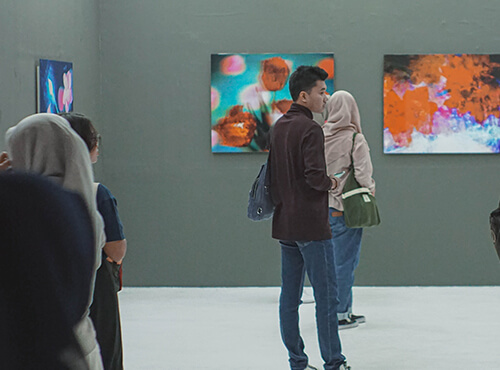
Establishment of the Gandhi Museum and Picture Gallery
The Indian government inaugurated a museum and picture gallery inside the palace to exhibit rare photographs, letters, and personal belongings of Mahatma Gandhi, providing visitors with a deep insight into his life and struggles for freedom.
1980
Aga Khan Palace Donated to the Nation
On the occasion of Mahatma Gandhi’s birth centenary, Prince Karim Aga Khan IV donated the palace to the Indian government as a tribute to Gandhi’s contributions to India’s independence and philosophy of non-violence. This gesture ensured the palace’s preservation as a national heritage site.